Medicine & Global Health
Most people who are oppressed do not know they are oppressed. That is what pulled me toward the SDGs, toward gender equality, and toward obstetrics and gynaecology — a field where women's health remains badly under-researched. Final-year MBBS training, and Millennium Fellow and Campus Director for the Class of 2025 — leading Her Path to Power.
Most people who are oppressed still do not know they are oppressed.
That sentence is the reason for everything on this page.
Where it starts: inequality
For me, this has never really been about a list of development goals. It is about inequality — who gets care, who gets believed, who gets opportunity, and who was quietly written out of all three before they were old enough to notice.
Gender-based violence is where that inequality shows itself most plainly, and it is the thing I find hardest to accept. Not only because of the harm, but because of how normalised it becomes. A woman can live inside a system that limits her without ever being told that is what is happening to her. When oppression is ordinary enough, it stops looking like oppression and starts looking like life.
You cannot ask someone to resist a thing they have never been given the language to name. So a great deal of this work is simply naming it.
That is what drew me to the Sustainable Development Goals and to United Nations Academic Impact — and, within them, to SDG 5: Gender Equality. Not as a framework to cite, but as the clearest articulation of the problem I already cared about.
Why clinical medicine
People sometimes assume the advocacy is the thing beside the medicine. It is not. It is the reason for the medicine.
I want to improve women’s health and widen the opportunities available to women, and clinical practice is where that becomes concrete rather than rhetorical. A consultation is where a woman is either taken seriously or she is not. It is where pain is either investigated or dismissed. It is where information she was never given can finally be handed to her.
This is why I am working toward obstetrics and gynaecology. It is the specialty that sits closest to the outcomes that decide women’s lives — and it remains strikingly under-researched. Conditions that affect enormous numbers of women are still poorly characterised, under-funded, and under-studied relative to their burden. That gap is not an accident; it reflects whose health has historically been treated as worth investigating.
An under-researched field is an opportunity as much as a failure. It means the questions are still open, and the evidence base is still being written.
Millennium Fellowship
United Nations Academic Impact and the Millennium Campus Network selected me as a Millennium Fellow and Campus Director for the Class of 2025 — Ebonyi State University, Abakaliki, Nigeria, advancing SDG 5 and UNAI Principle 5.
I applied in my own words:
In a world where women are breaking out of their confinements, overriding societal expectations and building to thrive not survive, the least I can do is to bring this opportunity to girl children at the grassroot level who are not yet exposed to the possibilities the world holds for them.
Coming from Ebonyi State, I have seen and even felt what gender inequality does to women and girls. Practices like female genital mutilation are still carried out here, and many women being oppressed do not even know or accept they are being oppressed. I do not want to just complain about it — I want to be part of the change.
I was born and raised in Ebonyi State. This is not a cause I adopted from a distance, and it is why I would rather catch these girls young and help them build a life beyond the scope of motherhood than write about the problem from somewhere safer.
Her Path to Power
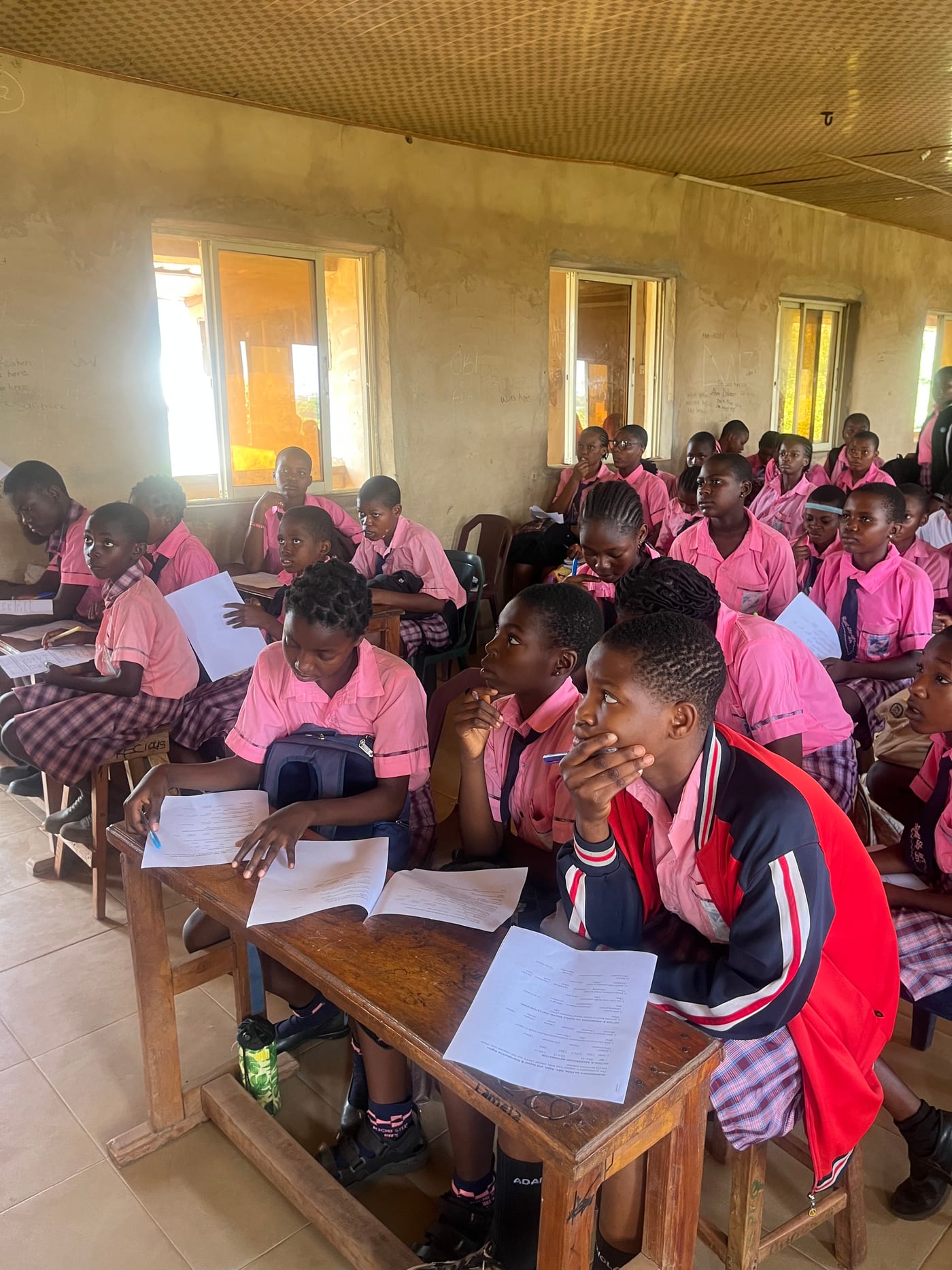
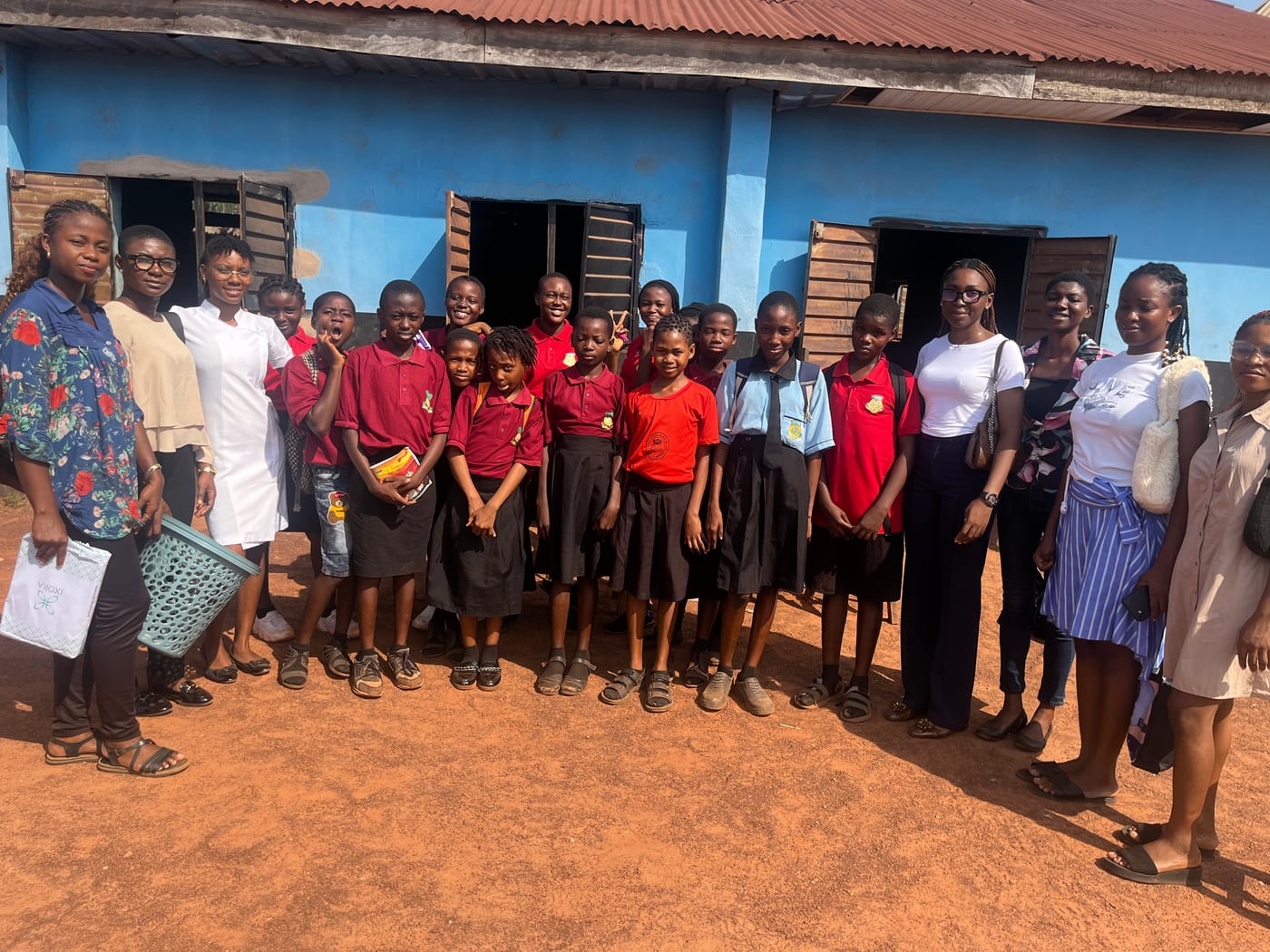
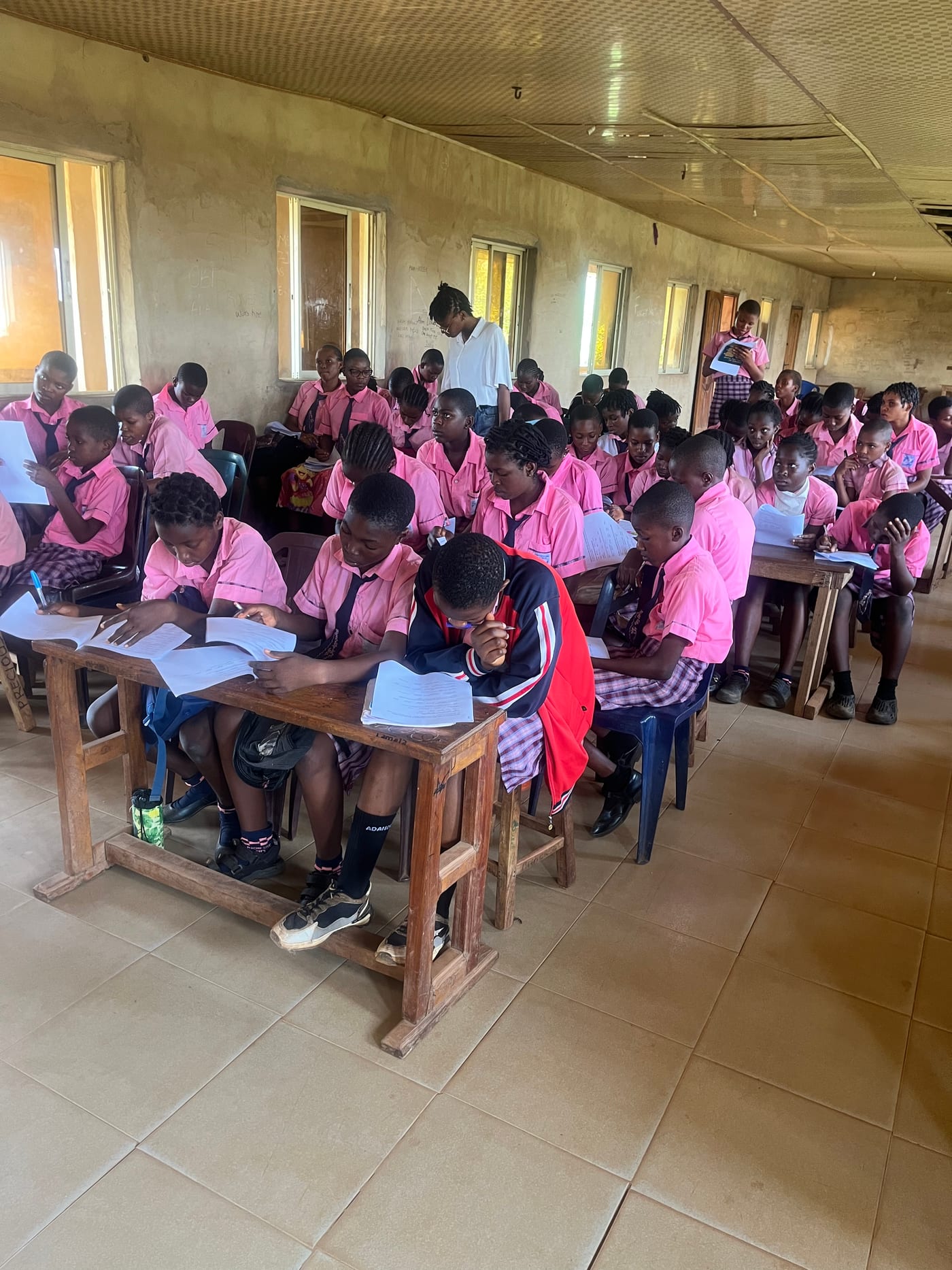
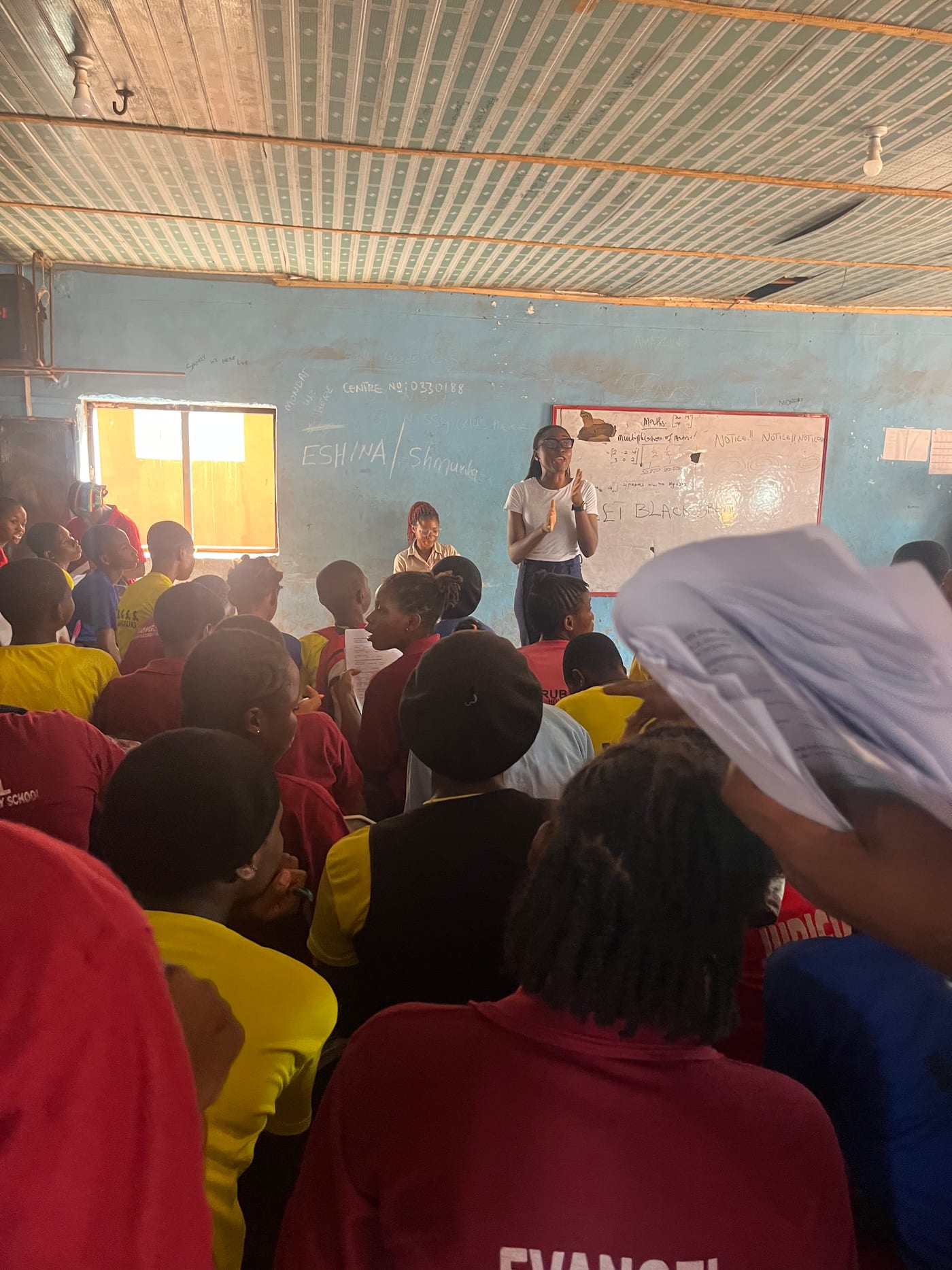
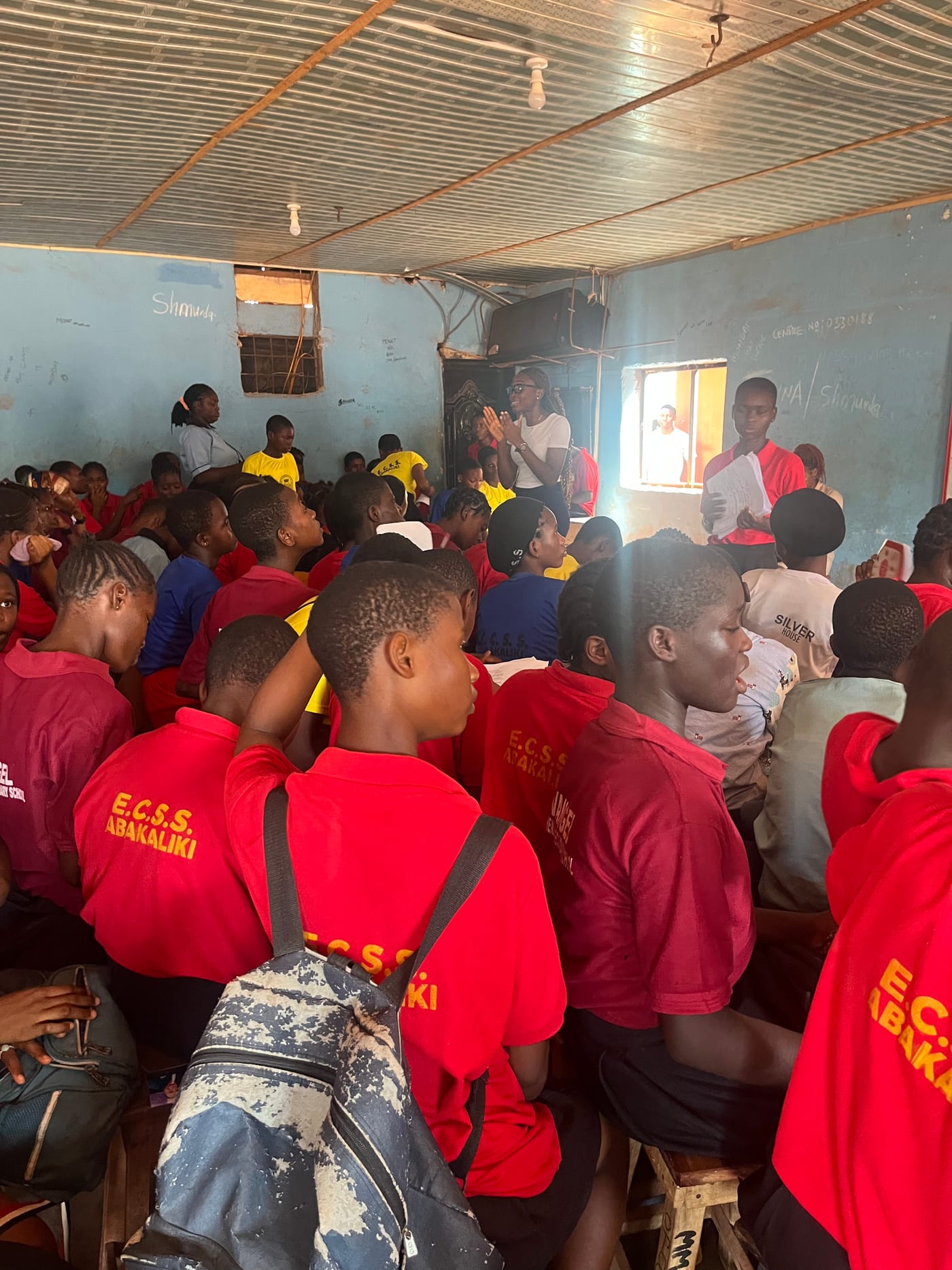
Her Path to Power is my Millennium Fellowship project: a girl-centred initiative equipping middle to late-adolescent girls with knowledge about sexual and reproductive health and rights (SRHR), along with the skills and confidence to protect themselves, lead their peers, and advocate for gender equality and safety in their own communities.
In this part of the world we have little control over how many male counterparts perceive and treat women. We still deal constantly with people who do not understand what gender equality is for. So the work goes directly to the girls.
The programme runs across five strands:
- Mentorship
- Leadership development
- Self-defence and personal safety workshops
- Legal literacy sessions
- Mechanisms for reporting violence
The goal is that these girls come out into the world willing to thrive — fully aware that they are free to fly, and alert to the ways they can defend themselves and their peers against gender-based violence.
I led this as Campus Director at Ebonyi State University from September to November 2025.
Research
Knowledge, Perceptions, and Experiences of Peer-to-Peer Sexual Abuse Among Medical Students in Abakaliki, Ebonyi State, Nigeria — a quantitative descriptive cross-sectional study.
This research follows directly from the sentence at the top of this page. Peer-to-peer sexual abuse inside medical training is under-researched, and the conditions that make it difficult to study are the same conditions that allow it to continue: close cohorts, steep informal hierarchies, and strong disincentives to name what happened. Measuring it is the first step to making it discussable.
The study is complete but unpublished.
Training
Bachelor of Medicine, Bachelor of Surgery (MBBS) — College of Medicine, Ebonyi State University. September 2019, expected February 2027.
Alongside clinical training I have served as Secretary Technical Officer of NiMSA (Nigerian Medical Students’ Association) and as a Local Officer for Mental Health Advocacy with EMSA.
Why this sits alongside the data work
The instinct is the same in both halves of what I do: find where a system loses people, and measure it honestly. In global health that means asking who a programme misses, and who does not yet know they are being missed. In on-chain analysis it means asking who stopped showing up after the first week.
The subject changes. The question does not.